Railroad Cancer: Understanding the Risks and Realities
Railroads have long been a backbone of industrial society, supplying important freight and traveler services throughout large distances. Nevertheless, Mesothelioma Railroad Cancer Lawsuit Settlements who operate in this crucial industry face many health risks, consisting of an especially concerning issue understood as railroad cancer. This term refers not to a specific type of cancer, but rather an increased threat of various cancers dealt with by railroad workers due to their occupational exposure to hazardous substances. In this blog site post, we will explore the factors adding to the increased threat of cancer among railroad workers, the types of cancer most frequently associated with this occupation, preventative steps, and far more.
Comprehending the Causes of Railroad Cancer
Occupational Hazards in the Railroad Industry
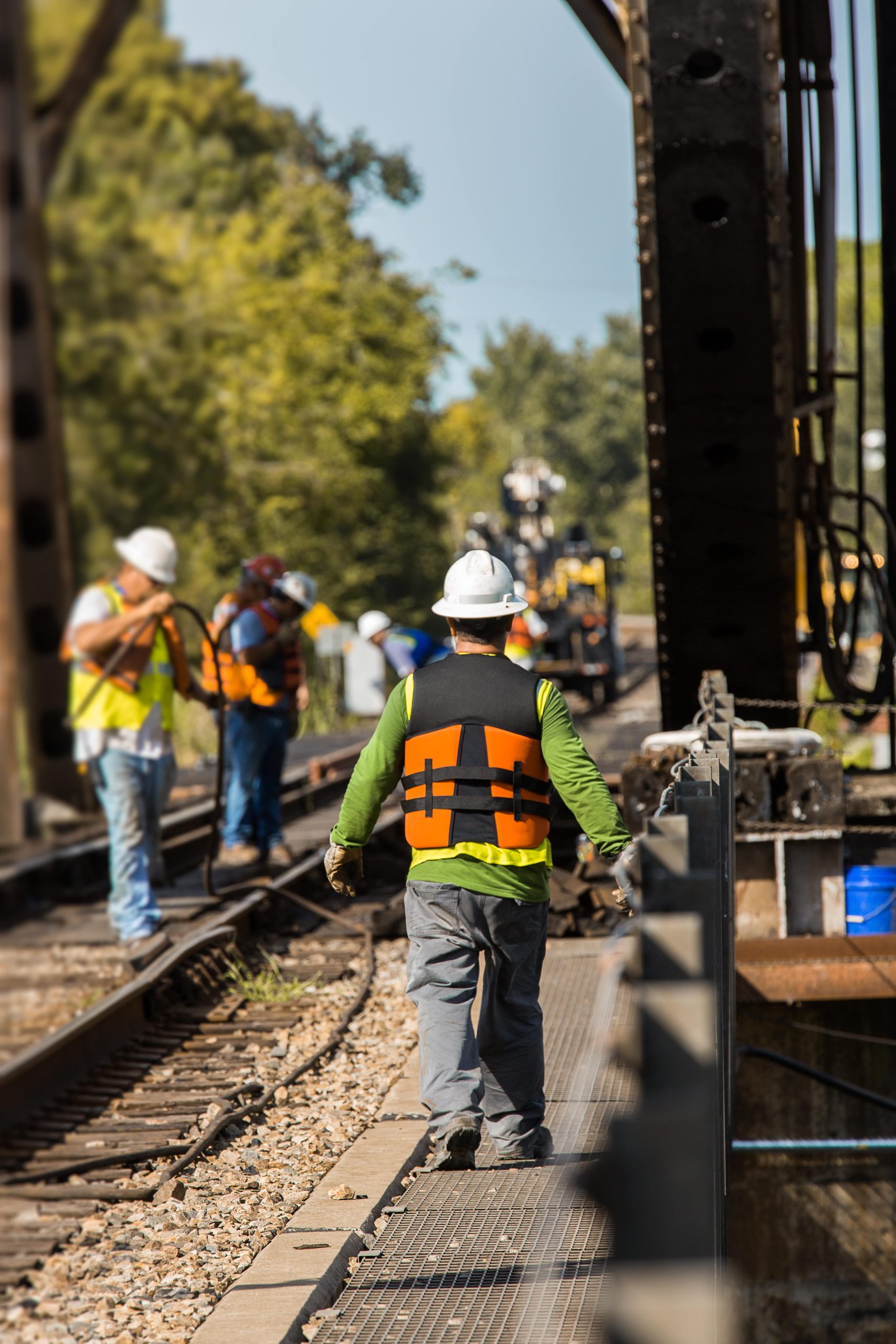
Railroad workers are exposed to a wide variety of possibly hazardous compounds and conditions while performing their tasks. A few of the most common direct exposures consist of:
- Asbestos: Historically used for insulation in train automobiles and devices, asbestos exposure is a widely known danger factor for lung cancer and mesothelioma.
- Benzene: A chemical found in diesel fuels and solvents can present risks for leukemia and other blood-related cancers.
- Polycyclic Aromatic Hydrocarbons (PAHs): Emitted from diesel engines, PAHs are linked to different cancers, consisting of lung and bladder cancer.
- Radiation: Workers in particular roles, particularly those handling signals or monitoring systems, may be exposed to ionizing radiation.
| Dangerous Substance | Associated Health Risks |
|---|---|
| Asbestos | Lung cancer, mesothelioma |
| Benzene | Leukemia, lymphoma |
| PAHs | Lung cancer, bladder cancer |
| Radiation | Numerous cancers (e.g., leukemia, thyroid) |
Work Conditions
In addition to direct exposure to harmful compounds, the working conditions for railroad employees contribute to their cancer risks. Long hours, irregular shifts, and high-stress environments may compromise workers' immune systems, making them more vulnerable to different health problems, including cancer.
Kinds Of Cancer Commonly Associated with Railroad Work
To even more explore the concern, we can examine numerous kinds of cancer most often diagnosed among railroad workers:
- Lung Cancer: Often related to asbestos exposure or PAH inhalation.
- Leukemia: Strongly related to benzene exposure.
- Mesothelioma: A direct outcome of asbestos exposure, specifically impacting the lining of the lungs.
- Bladder Cancer: Often linked to exposure to PAHs and possibly benzene.
- Skin Cancers: Resulting from exposure to UV radiation, specifically for workers in outdoor functions.
- Thyroid Cancer: Can be a repercussion of ionizing radiation exposure among specific railroad roles.
| Kind of Cancer | Potential Causes |
|---|---|
| Lung Cancer | Asbestos, PAHs |
| Leukemia | Benzene |
| Mesothelioma | Asbestos |
| Bladder Cancer | PAHs, Benzene |
| Skin Cancers | UV Radiation |
| Thyroid Cancer | Ionizing Radiation |
Preventative Measures and Regulations
Given the severe ramifications of railroad cancer, it is crucial for both railroad business and employees to engage in active measures to reduce dangers.
Company Responsibilities
- Regular Training: Companies need to supply training on managing dangerous materials and acknowledging early indications of occupational health problem.
- Protective Equipment: Employers must provide needed individual protective devices (PPE) to decrease exposure to hazardous substances.
- Health Monitoring Programs: Regular health check-ups and monitoring for early detection of diseases among employees can help manage dangers.
- Policy Compliance: Ensuring compliance with Occupational Safety and Health Administration (OSHA) policies and standards connected to hazardous substance exposure.
Employee Responsibilities
- Usage of PPE: Workers need to regularly use supplied protective gear and equipment.
- Report Hazards: Employees must quickly report any security risks to guarantee that appropriate actions are taken.
- Stay Informed: Keeping abreast of brand-new security regulations and health information is essential for self-protection.
FAQ
What should railroad workers do if they believe they have been exposed to harmful substances?
If railroad workers think they have been exposed to dangerous materials, they need to look for immediate medical evaluation and notify their company. Having a record of exposure might help in case of future health issues.
How can railroad companies make sure a safe work environment?
Railroad business can implement stringent security protocols, offer sufficient training, and frequently assess workplace conditions to decrease threats associated with harmful compounds.
Are all railroad workers at equivalent danger for railroad cancer?
No, the threat can vary considerably depending on the particular role within the railroad industry and the level of exposure to harmful compounds. For example, workers associated with maintenance or those who work directly with compounds like fuel might face greater risks than those in administrative functions.
Can regular health check-ups prevent major health problems?
While routine health check-ups can not totally avoid diseases, they can facilitate early detection and treatment, increasing the chances of successful management of health issues.
What resources are available for railroad workers who are identified with cancer?
Railroad workers diagnosed with cancer can frequently access benefits through employee's compensation programs and might also find support through advocacy groups, organizations dedicated to occupational health, and other neighborhood resources.
The risk of railroad cancer underscores the essential need for heightened awareness, continued research, and implementation of security protocols in the railroad industry. With considerable exposure to hazardous compounds and difficult working conditions, it is necessary to notify both employees and employers about the risks and methods for avoidance. Through collective efforts from all parties included, it is possible to develop a much safer working environment for railroad workers and reduce the incidence of occupational cancers.